
Guide
Best Real Money Casino Apps for Android UK 2026
Compare UKGC-licensed apps, understand RTP mechanics, and make informed decisions about where to play.
 Available in GB
What Separates a Worthwhile Android Casino App from the Rest
Not every app with a gambling licence deserves your bankroll. That statement might seem obvious, but spend any time searching for Android casino apps in the UK and you'll find dozens of operators making identical promises: massive bonuses, instant withdrawals, thousands of games. The marketing blurs together until every app looks interchangeable. They're not.
The problem facing UK players isn't a lack of options. It's the opposite. Google Play's evolving policies have created a fragmented landscape where some legitimate casino apps sit in the official store while others require direct APK downloads from operator websites. Add to that the noise of offshore operators targeting British players without proper licensing, and the selection process becomes genuinely difficult.
What actually separates a worthwhile casino app from a mediocre one? Three things that matter more than headline bonus percentages: regulatory compliance that gives you genuine recourse when things go wrong, technical performance that doesn't make you wait eight seconds for a slot to load, and withdrawal processes that treat your winnings as your money rather than as an inconvenience to be managed. Everything else—game counts, bonus sizes, VIP tiers—only matters once those fundamentals are solid.
The UK Difference
UK players operate under the UK Gambling Commission's jurisdiction, one of the strictest regulatory frameworks globally. This affects everything from payment methods (credit cards banned since April 2020) to bonus advertising (no misleading terms) to withdrawal processing (operators cannot delay without legitimate verification reasons). Understanding this framework is essential to recognising which apps operate properly and which are cutting corners.
This guide works through the evaluation systematically: how Android casino apps function technically, what UKGC licensing actually protects, how to read RTP figures properly, and how to identify apps that deserve consideration versus those relying on marketing spend rather than product quality. The aim is practical knowledge that survives first contact with a welcome bonus offer.
The UK market for mobile gambling continues to evolve. Industry data from 2025 showed that mobile devices accounted for over 70% of all online casino activity in Britain, with Android users representing the majority of that traffic. This shift has pushed operators to invest heavily in mobile experiences, but investment doesn't guarantee quality. Some apps deliver genuinely polished interfaces; others feel like afterthoughts compared to their desktop counterparts.
How Real Money Casino Apps Actually Work on Android
The casino isn't on your phone—it's streaming to it. This distinction matters more than most players realise, because it shapes everything from game fairness to what happens when your connection drops mid-spin.
When you tap a slot's spin button, your device sends a request to the operator's server. That server runs the random number generator, determines the outcome, and sends the result back for display. The spinning reels, the near-misses, the bonus triggers—all visual drama happens on your screen, but the actual result was determined server-side before the animation started. Your phone is essentially a window into the casino's server, not a casino itself.
This architecture explains why casino apps work on relatively modest hardware. The heavy computational lifting happens on commercial-grade servers. Your phone handles the interface and graphics. An Android device from 2021 runs the same games as one released last month. The server-side processing also means your device can't manipulate outcomes—everything meaningful happens remotely under conditions certified by independent testing labs.
RNG (Random Number Generator) — A cryptographic algorithm producing unpredictable numerical sequences used to determine game outcomes. Licensed casino apps must use certified RNGs tested by independent bodies like eCOGRA or iTech Labs.
Most Android casino apps in 2026 run on HTML5 rather than native code—essentially sophisticated web applications rendered through a wrapper. Performance depends heavily on implementation quality rather than underlying technology. A well-optimised HTML5 casino feels smoother than a poorly built native one. The technology choice matters less than how thoughtfully it's executed.
Browser-based play versus dedicated apps offers a genuine trade-off. Native apps typically load faster once installed, handle push notifications better, and integrate more smoothly with biometric authentication. Browser play requires no installation and updates automatically. Neither approach is inherently superior—it depends on whether you value convenience of access or polish of experience.
Network connectivity affects play more than players expect. Most games require constant server communication. Reputable apps handle disconnection gracefully: if you lose connection mid-spin, the game state is preserved server-side. Testing how an app handles Wi-Fi to mobile data transitions before wagering significant amounts is worthwhile.
UKGC Licensing: What It Means for Your Money
A licence number isn't decoration—it's your insurance policy. The UK Gambling Commission operates one of the most stringent regulatory frameworks in global gambling, and understanding what it actually does helps you recognise which protections you're entitled to.
Every operator offering gambling services to UK residents must hold a UKGC licence. The Commission has enforcement powers including unlimited fines, licence revocation, and criminal prosecution. In the 2023-24 financial year, the UKGC issued penalties totalling £13.4 million against licensed operators—demonstrating genuine regulatory teeth. These weren't theoretical warnings; operators paid substantial sums for failing to meet their obligations.
UKGC licensing requires operators to meet specific conditions. Player fund protection mandates that deposits are held separately from operational funds—if an operator goes bankrupt, your balance is protected. Fair and transparent terms require bonus conditions and withdrawal policies to be clearly disclosed. Identity verification obligations mean operators must confirm player identity and age, with severe consequences for failures.
The advertising restrictions that took effect in October 2022 reshaped how casino apps market themselves. Operators cannot use celebrities or sports personalities whose appeal extends significantly to under-18s. They must include responsible gambling messages and cannot use terms like "free" without explaining wagering requirements. These rules haven't eliminated aggressive marketing, but they establish boundaries that licensed operators must respect.
When things go wrong, licensing provides recourse that unlicensed operators don't offer. Disputes with UKGC-licensed casinos can escalate to approved Alternative Dispute Resolution providers—a process free for players and binding on operators. For unlicensed offshore casinos? No meaningful recourse exists. Your money sits in a jurisdiction with no interest in your complaint.
The Commission maintains a public register of all licensed operators. Any legitimate operator displays their licence number prominently, typically in their footer and legal information. The absence of a verifiable licence number is a disqualifying signal—full stop.
How to Verify Any Casino App's UKGC Licence
Three clicks and you'll know if you're protected. Locate the licence number in the app—typically in settings, legal information, or footer links. The format is numerical, usually five or six digits.

Navigate to the UKGC's public register. Enter the licence number exactly as displayed. The register returns licence status, licensed activities, and regulatory action history. A valid licence shows "Active" status.
Licence Verification Steps
- Find the licence number in app settings or legal information
- Visit the UKGC public register
- Search using the licence number
- Confirm status shows "Active"
- Verify the company name matches the app's operator
- Check licensed activities include remote casino
RTP and House Edge: The Numbers That Actually Matter
The casino always wins—but some apps let it win less often. Understanding RTP (Return to Player) and house edge transforms how you evaluate casino apps, shifting focus from flashy bonuses to mathematical reality.
RTP represents the theoretical percentage of wagered money a game returns over an extended period. A slot with 96% RTP theoretically returns £96 for every £100 wagered, with the remaining £4 representing the house edge. These percentages are calculated over millions of spins; individual sessions deviate significantly. The mathematical tendency pushes toward stated RTP, but you might win big or lose quickly on any given session.
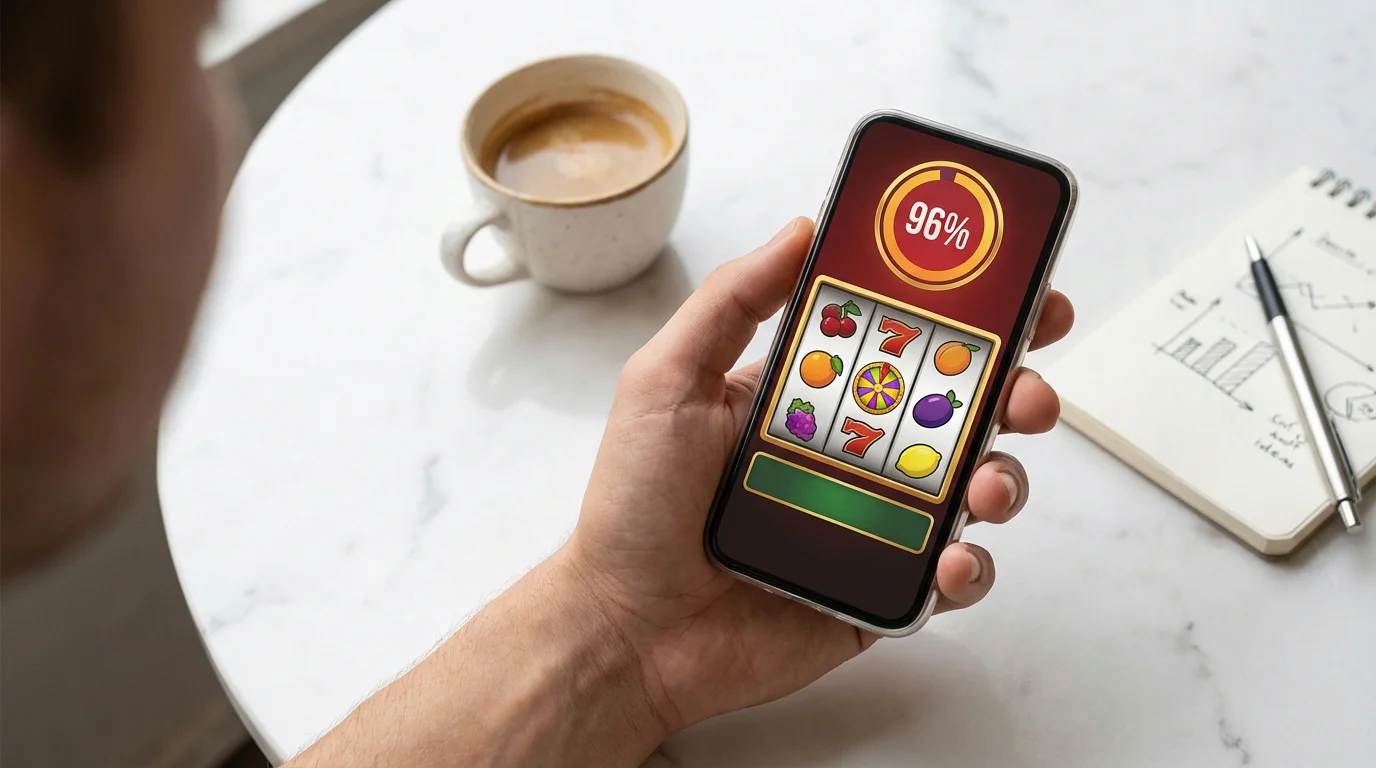
House edge is simply the inverse—a 96% RTP means a 4% house edge. This advantage is baked into game design. No strategy, timing, or ritual changes the underlying mathematics of a certified game.
Table games operate differently. Blackjack can exceed 99% RTP with optimal strategy. Roulette's RTP is fixed: European roulette (single zero) returns 97.3%, while American roulette (double zero) returns 94.74%. Choosing European over American roulette keeps nearly 2.5% more of your money in play over time.
RTP in Practice
Player wagers £1,000 on a 96% RTP slot.
Theoretical expected return: £960
Theoretical house take: £40
Actual result: highly variable, from £0 to several thousand pounds. The £40 theoretical edge is the cost of entertainment embedded in game mathematics.
Comparing RTPs across apps reveals meaningful differences. The same slot carries the same RTP everywhere, but game selection varies. An app emphasising high-RTP games delivers better long-term value than one padded with lower-return options.
Interactive tool
The First Screen
Every game in a casino app has a fixed RTP. But you never play the library — you play the tiles the app puts in front of you. Lay out your app’s lobby below and this works out the return you actually get, and what the layout costs you in a year.
Your lobby
Open your casino app, look at the main game tab, and match the first twelve tiles. Tap a tile, then pick what sits in it.
Where your spins go
Share of your total spins by tile position. The shaded band is everything on the first screen, before you scroll.
The gap
Same library, three ways of meeting it.
How this is worked out
Attention. Choice from a ranked list decays steeply with position. This tool weights position i by i−α, with a second discount applied to everything below the fold, because reaching it needs a deliberate scroll. The “how you pick a game” control sets both: tapping the first thing you see is a steep curve with a hard fold; hunting for a specific title flattens the curve and almost removes the fold. The remaining games in the library share the tail of the same curve.
Realised RTP. The attention-weighted average of the RTPs you meet: Σ wi × RTPi ÷ Σ wi. This is what your money actually experiences.
The Shelf Gap. The library’s plain average RTP minus your realised RTP, in percentage points. It is the part of the house edge created by the layout rather than by the games. It can come out negative — if your app happens to front high-RTP tables, the shelf is working for you.
Annual cost. Monthly turnover × 12 × the gap. Turnover means everything you stake, including re-staked winnings, so it is usually many times what you deposit.
Limits. RTP is a long-run figure; a single session will not resemble it. Progressive jackpot slots carry a low base RTP because part of the return sits in a jackpot almost nobody wins — the headline figure is honest but it is not the return most players see. Blackjack and video poker only reach their quoted RTP with correct play, and both are commonly excluded or weighted at 0–20% toward bonus wagering. This tool is a way to reason about a lobby, not a strategy for beating one.
18+. Gambling involves risk. Support: BeGambleAware.org · National Gambling Helpline 0808 8020 133.
RTP Ranges by Game Category
Here's what the maths actually looks like. Different game categories carry fundamentally different return expectations, and understanding these ranges helps calibrate which games align with your approach to bankroll management.
Video Slots
RTP Range: 92%–98%
Most slots sit between 95%–96%. Premium titles from major providers like NetEnt and Pragmatic Play typically hit 96%+. Budget slots from lesser-known studios sometimes dip below 94%—check before you spin.
Blackjack
RTP Range: 99%–99.5%
Optimal strategy required to achieve these figures. Standard blackjack rules return approximately 99.5%. Variations with side bets or rule modifications often carry lower effective RTPs. Live blackjack matches these figures when played correctly.
European Roulette
RTP: 97.3% (fixed)
Single zero roulette offers a mathematical constant. No strategy changes this—every bet type carries the same house edge. French roulette with La Partage rule pushes RTP to 98.65% on even-money bets.
Live Casino Games
RTP Range: 96%–99.5%
Live game RTPs match their RNG equivalents. Live blackjack maintains the 99%+ potential; live roulette sticks at 97.3% for European wheels. Game shows (Crazy Time, Dream Catcher) typically return 95%–96%.
Video Poker
RTP Range: 97%–99.5%
Full-pay Jacks or Better returns 99.54% with perfect strategy. Most mobile video poker doesn't offer full-pay tables, dropping effective RTP to 98%–99%. Still among the best-returning games available.
Instant Win/Scratch Cards
RTP Range: 85%–95%
Generally the lowest-returning category. The quick play cycle makes the lower RTP feel less impactful per session, but the mathematics accumulate. Approach with awareness of the steeper house edge.
These ranges inform selection but shouldn't override entertainment preferences. Playing a 99% RTP game you find tedious makes less sense than enjoying a 96% slot—the difference in expected loss across a session might be £20, but enjoyment is also valuable. The numbers matter for calibrating expectations, not for dictating choices.
How We Evaluate Android Casino Apps
We downloaded 47 apps so you don't have to. Testing casino apps properly requires real deposits, real play, and real withdrawal attempts—not marketing materials and screenshots.
Account creation reveals how operators handle KYC requirements. Some apps request verification before allowing play; others wait until withdrawal. Deposits test payment integration across multiple methods. Gameplay testing assesses app stability, load times, and whether promotional claims about game variety hold true.
Withdrawal testing is where apps reveal their character. We track actual processing times against advertised times, note pending periods, and document friction in the process. An app processing withdrawals in 24 hours delivers a fundamentally different experience than one taking seven days.
Customer support testing involves specific questions about bonus terms and technical issues. Response quality matters more than response time—agents providing accurate, complete answers score higher than those delivering generic copy-paste text.
Testing reveals the gaps between marketing and reality—here's what consistently matters
The Seven Criteria That Separate Good from Great
Every app faces the same checklist. These seven factors determine whether an app deserves serious consideration or belongs in the category of functional-but-unremarkable options.
Licensing and Compliance — Active UKGC licence is non-negotiable. Beyond basic licensing, we assess regulatory history (any fines or sanctions), adherence to advertising standards, and implementation of mandatory responsible gambling features. Apps with recent regulatory penalties require explanation of remediation before recommendation.
Game Library Quality — Total game count means little without quality distribution. We evaluate provider diversity (are major studios like Evolution, Pragmatic Play, and NetEnt represented?), exclusive titles, and whether the library receives regular updates. An app with 500 games from reputable providers beats one with 2,000 games from unknown studios.
Bonus Fairness — Welcome offers attract attention, but terms determine value. Wagering requirements below 35x represent fair territory. Game restrictions should be clearly stated. Maximum bet rules during wagering should be reasonable. We calculate effective bonus value after wagering costs, not headline figures.
Payment Processing — Deposit options should cover mainstream UK methods: debit cards, PayPal, bank transfers. Withdrawal speed receives heavy weighting—apps offering same-day processing for e-wallets score significantly higher. We verify advertised processing times against actual experience. A pattern of delays or excuses costs apps points.
Mobile User Experience — The app should feel native to Android, not like a browser window with an icon. Touch controls should be responsive. Navigation should make sense on a phone screen. Games should load within a few seconds on reasonable connections. Portrait and landscape orientations should both function properly for slots.
Customer Support Quality — Live chat availability, response accuracy, and resolution rate matter. We prefer 24/7 live chat with competent agents over extended-hours support with script-readers. Email response within 24 hours is expected. Support that deflects or provides generic answers scores poorly.
Responsible Gambling Implementation — UKGC mandates specific tools (deposit limits, reality checks, self-exclusion), but implementation quality varies. Best-in-class apps make these tools accessible without hiding them in settings menus. They provide clear GamStop information and don't require support contact to adjust limits downward.
Licensing establishes legitimacy. Payment processing reveals operational quality. Everything else determines whether you'll actually enjoy using the app.
Top Android Casino Apps for UK Players
Different apps excel at different things—here's who wins what. Rather than a strict numerical ranking, this overview positions apps by their genuine strengths. The best app for a slots enthusiast isn't the best app for a live casino player.
The UK Android casino landscape in early 2026 finds most major operators offering competent mobile experiences, raising the floor of acceptable quality. For players prioritising game variety, multi-provider platforms deliver the broadest selection—NetEnt slots, Pragmatic Play titles, and Evolution live tables through a single account.
Live casino specialists offer dedicated Evolution Gaming integrations with optimised mobile interfaces. Payment speed distinguishes another category—some operators process e-wallet payouts same-day and genuine 24-hour debit card processing. Bonus-focused players face complex calculations: apps with the largest headline bonuses rarely offer the best effective value once wagering requirements factor in.
A Note on Rankings
This guide avoids numbered rankings. Positioning one app as "best" would require knowing your priorities—game preferences, payment methods, bonus attitudes. The apps highlighted here meet quality thresholds; the question is which aligns with how you play.
New apps continue launching through 2026, with operators expanding Android presence following Google's gradual policy relaxation. The UKGC Register includes over 300 entities authorised for remote casino activities. What matters is the parent company's track record, not the brand name.
Casino App Bonuses: The Reality Check
A £500 bonus with 50x wagering is worth less than you think. The relationship between advertised bonus and actual value requires understanding how wagering requirements, game restrictions, and expiry windows interact.
Wagering requirements define how many times you must bet the bonus amount before withdrawing. A 35x requirement on a £100 bonus means wagering £3,500 before cashing out. At 96% RTP, you'd statistically lose £140 clearing those wagers. The £100 bonus costs £140 to unlock—not a scam, just maths that marketing departments prefer you don't calculate.

Game weighting complicates further. Most bonuses count slots at 100% toward wagering while table games contribute 10-20% or nothing. Playing blackjack with bonus funds often generates no wagering progress. Some operators restrict high-RTP slots from bonus play entirely, removing the games where your chances of surviving wagering are best. Always check the game contribution rules before committing to a bonus strategy.
Maximum bet rules trap uninformed players—exceeding the £5 cap during wagering can void your bonus entirely. The app might not warn you in real-time, and enforcement is typically automatic. Expiry windows (typically 7-30 days) add time pressure that accelerates losses. If you can't clear requirements within the window, you lose both bonus and progress.
Not all bonuses follow this pattern. No-wagering bonuses exist but are rarer and smaller. Low-wagering offers (10x-20x) provide genuine value because clearing costs remain below bonus value. Cashback returns losses without wagering requirements—straightforward value you can calculate immediately. Free spins with no wagering on winnings deliver exactly what they promise.
The honest assessment: bonuses rarely transform losing players into winning ones. They extend playtime and occasionally contribute to winning sessions, but expecting reliable profit from bonus-chasing misconceives their function. Treat them as entertainment subsidies rather than income opportunities.
Worked Example: What a Typical Bonus Actually Costs
Let's run the numbers on a 100% match bonus to demonstrate why wagering requirements deserve attention.
Scenario: 100% Match Bonus up to £200, 40x Wagering
Player deposits £200, receives £200 bonus. Total balance: £400.
Wagering requirement: 40 × £200 = £8,000 in wagers.
Playing slots at 96% RTP, expected loss: £8,000 × 0.04 = £320.
Expected remaining balance: £400 – £320 = £80.
Effective bonus value: £80 – £200 = –£120.
This £200 bonus statistically costs £120 to clear—negative expected value.
The same scenario with 20x wagering: £4,000 wagers, £160 expected loss, £240 remaining, +£40 effective value. The difference between 40x and 20x is the difference between paying for a bonus and genuinely receiving value.
The calculation shifts when operators include deposit in wagering requirements. "35x on bonus plus deposit" for £200 deposit with £200 bonus means clearing £14,000—not £7,000. Always check whether wagering applies to bonus only or the combined total.
Payments: Getting Money In and Out
Depositing is easy—withdrawing is where apps show their true colours. UK payment infrastructure changed significantly with the April 2020 credit card ban, shifting traffic toward debit cards and e-wallets.
Deposit processing is typically instant. Debit cards, PayPal, and e-wallets appear in your balance within seconds. Withdrawal processing reveals different priorities—while deposits are instant, withdrawals often involve pending periods and verification requirements extending timelines from hours to days. The variation between apps (same-day e-wallet payouts versus five-day card processing) demonstrates that speed is a choice.
KYC verification intersects with payments at withdrawal stage. Many apps require identity verification before processing first withdrawals. Completing KYC proactively eliminates delays when you want your money. The method you deposit with often constrains withdrawal options—many apps enforce "deposit method first" policies, returning winnings to the original deposit method before alternatives become available.
Each payment method carries distinct advantages—here's how they compare
Payment Methods Compared
Every payment method has a trade-off. The table below summarises key characteristics.
| Method | Deposit Speed | Withdrawal Speed | Key Considerations |
|---|---|---|---|
| Debit Card | Instant | 1-5 days | Universal; slowest withdrawals; bank may block transactions |
| PayPal | Instant | 0-24 hours | Fastest withdrawals; often excluded from bonuses |
| Skrill/Neteller | Instant | 0-24 hours | Fast processing; frequently excluded from deposit bonuses |
| Bank Transfer | Instant | 1-3 days | Higher limits; no intermediary account needed |
| Pay by Mobile | Instant | Not available | Deposit-only; low limits (£30 daily) |
E-wallets deliver the fastest withdrawals but are frequently excluded from bonus eligibility. Debit cards offer simplicity but the slowest withdrawal times. Pay by Mobile serves players wanting small, quick deposits without card details, but cannot be used for withdrawals.
The Withdrawal Process: What Actually Happens
Here's the journey your winnings take. When you request a withdrawal, internal approval reviews your account status—verification, limits, wagering completion. This can complete instantly at automated apps or take 24-48 hours with manual processes.
Many apps impose pending periods (24-72 hours) before processing begins. Once approved, payment processing begins. E-wallets receive transfers within hours. Card withdrawals enter banking networks processing in batches, adding days. First withdrawals almost universally trigger additional verification regardless of amount.
The fastest withdrawal we've recorded was 23 minutes from request to PayPal balance. The slowest compliant withdrawal took 11 days via debit card. Same regulatory framework, vastly different execution.
Weekend timing affects processing—banking operations pause, meaning Friday afternoon requests might not process until Monday. Apps using 24/7 payment providers for e-wallets maintain speed regardless of day.
Game Selection: What to Expect on Mobile
Mobile libraries have caught up—mostly. Most UKGC-licensed casino apps offer 500-2,000 games, but these numbers impress less than they appear. A significant portion consists of minor variations, rebranded titles, and games from studios you've never encountered. The meaningful question isn't "how many games?" but "which providers are represented?"
Provider diversity indicates quality better than raw numbers. An app featuring NetEnt, Pragmatic Play, Play'n GO, Evolution Gaming, and Microgaming covers the major bases. Each studio brings distinct design approaches, mechanics, and RTP profiles. An app locked to a single provider or dominated by obscure studios limits your options regardless of total game count.
Game categorisation varies between apps, sometimes confusingly. What one app labels "table games" another splits into separate blackjack, roulette, and baccarat sections. Live dealer games might appear in their own category or integrated with RNG versions. Navigating an unfamiliar app sometimes requires checking multiple sections to find specific titles.
Mobile optimisation affects different game types differently. Slots translate well to phone screens—portrait mode works, touch controls are intuitive. Table games require more adaptation, with some apps offering better mobile interfaces than others. Live casino demands the most—streaming video, chat interfaces, and betting controls all compete for limited screen space.
Slots on Android: What's Different
Same games, different experience. Touch controls replace mouse clicks seamlessly—tapping to spin feels natural. Where mobile differs is stake selection on complex games, sometimes requiring multiple taps.
Portrait versus landscape orientation divides slots. Some render beautifully in portrait; others require landscape for readable graphics. Autoplay restrictions apply to UK players specifically—UKGC guidance requires loss limits, session limits, and single-win limits that stop automatic spins.
Game load times matter more on mobile. A slot taking ten seconds to load feels broken. Testing performance before committing time to an app reveals whether it will frustrate you.
Live Casino on Mobile: The Real Experience
Streaming a dealer to your phone actually works—with caveats. Live casino represents the most demanding use case, combining video streaming, real-time interaction, and betting controls on limited screen space.
Bandwidth requirements are substantial—a typical live blackjack session might use 500MB per hour. Wi-Fi is strongly preferable. Screen space constraints force design compromises; Evolution Gaming's mobile interfaces generally handle constraints well, smaller providers vary.
Betting windows create time pressure. When the dealer calls for bets, you have limited seconds. Clunky interfaces become genuinely problematic. Testing bet placement speed before playing for significant stakes reveals whether implementation is adequate.
Responsible Gambling Tools You Should Actually Use
These tools aren't for problem gamblers—they're for smart ones. Responsible gambling features mandated by UKGC licensing provide genuine utility for maintaining control over gambling activity.
Deposit limits cap how much you can add to your account daily, weekly, or monthly. Setting limits forces budget decisions during calm moments rather than mid-session. Lowering limits takes effect immediately; raising limits requires 24-hour cooling-off—intentional asymmetry making it harder to increase spending than reduce it. This design acknowledges that decisions made after losses differ from decisions made beforehand.
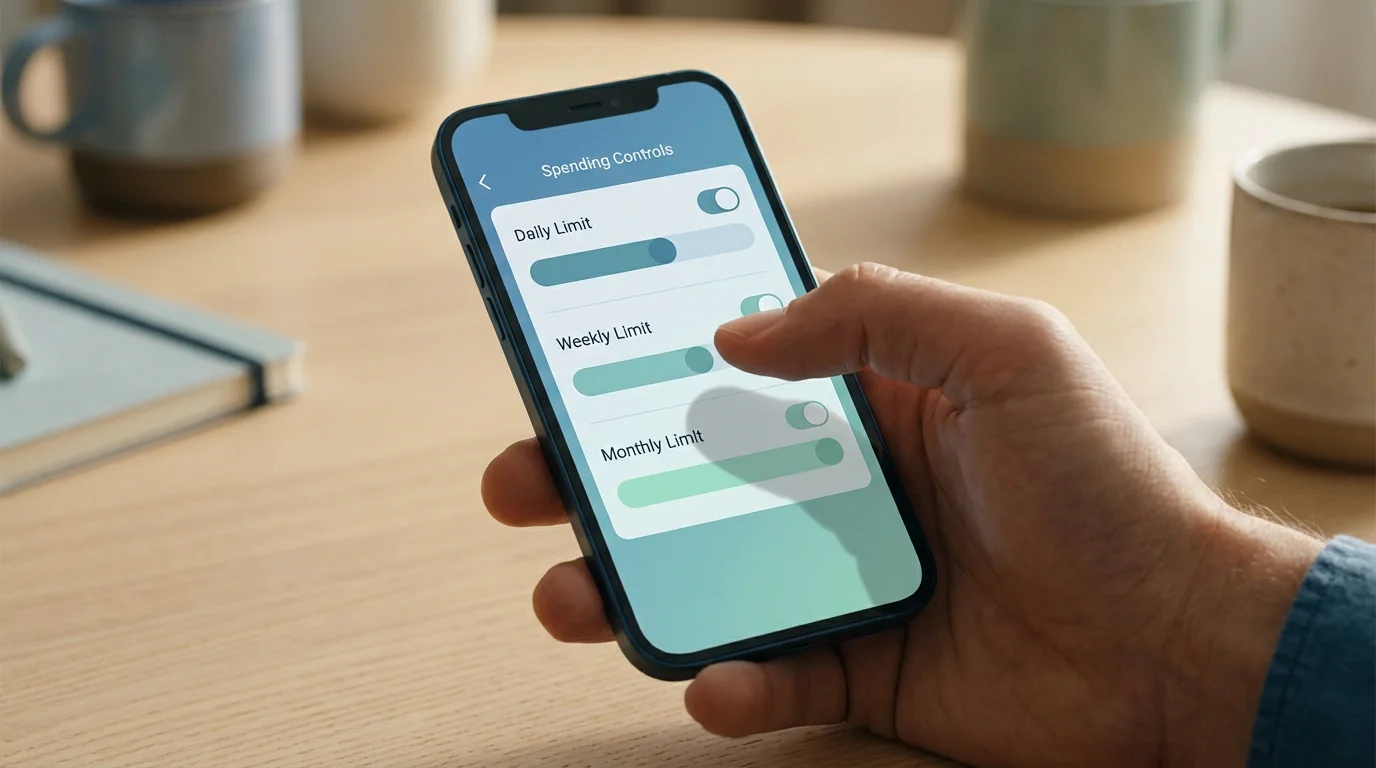
Loss limits track net losses rather than deposits. If you set a weekly loss limit of £100, the app prevents further play once your losses hit that threshold. This protects against sessions that spiral, particularly during variance-driven losing streaks. Reality checks interrupt play at intervals you select, displaying session duration and net position, creating mandatory pause points for reassessment.
Time-outs lock your account for periods from 24 hours to 6 weeks—suitable for players wanting a break without permanent consequences. Taking a week off after a significant loss represents rational bankroll management. Self-exclusion closes accounts for minimum 6 months, appropriate for players who've determined gambling negatively affects their lives.
GamStop: National Self-Exclusion
GamStop is a free service allowing self-exclusion from all UKGC-licensed gambling sites simultaneously. A single registration excludes you from hundreds of operators for 6 months, 1 year, or 5 years. For players wanting comprehensive exclusion rather than app-by-app management, GamStop provides industry-wide protection.
Using these tools proactively represents mature engagement with gambling as entertainment. Setting a deposit limit isn't weakness—it's recognition that future decisions under pressure might differ from present intentions. The tools exist because they work.
Android-Specific Considerations
Google's gambling app rules create a two-track system. The UK was among the first markets where Google allowed real-money gambling apps in its Play Store, and in 2021 Google expanded this policy to additional countries. By 2026, many major operators have achieved Play Store presence—but not all, and approval remains selective.
The two-track reality means some legitimate, UKGC-licensed apps appear in the Play Store while others require direct APK downloads. Both methods are legal and can deliver legitimate apps. Google's presence doesn't determine legitimacy—UKGC licensing does.
Google Play Policy Summary
Real-money gambling apps on Google Play in the UK must: hold valid UKGC licensing, complete Google's application process, implement age verification, and display responsible gambling information. Meeting these requirements is optional—direct download bypasses Google entirely.
Browser-based play sidesteps the entire question. Every casino app works as a mobile website through Chrome. Many operators offer near-app-quality interfaces addable to your home screen. Device security settings govern APK installation—enable "unknown sources" only when installing trusted APKs, then disable it afterward.
APK Downloads: Safe Practice
If you're downloading an APK, do it right. The only safe source is the operator's official website—navigate directly by typing the URL rather than following links. Verify HTTPS encryption, confirm the UKGC licence number, and examine the URL for misspellings.
Check file size after download (casino APKs typically range 10-50MB). Review permissions during installation—legitimate apps need network and storage access, not contacts, call logs, or SMS. Excessive permission requests indicate problems.
After installation, disable "unknown sources" permission. Keep APK-installed apps updated by checking the operator's website periodically—unlike Play Store apps, these don't update automatically.
Mistakes That Cost UK Players Money
These errors are entirely avoidable—each has cost players money unnecessarily.
Claiming bonuses without reading wagering requirements. The headline offer draws you in; the terms determine whether you'll see a withdrawal. Players who discover they need to wager £12,000 to withdraw a £200 bonus learn expensive lessons. Read terms before opting in. Calculate the effective value. Decide if the bonus actually helps you.
Skipping KYC verification until withdrawal. Delaying verification seems convenient until you win and want your money. Complete verification early—ideally before your first deposit—so it happens in the background rather than blocking withdrawals when you're eager to access your winnings.
Using payment methods excluded from bonuses. Many welcome bonuses exclude e-wallet deposits (PayPal, Skrill, Neteller). Depositing via PayPal because it's convenient, only to discover the bonus didn't apply, wastes the welcome offer permanently. Check which methods qualify before making your first deposit.
Violating maximum bet rules during wagering. Placing a £6 spin when terms cap bets at £5 can void your entire bonus balance and any pending withdrawals. The app might not warn you in real-time. Some players discover the violation only when attempting to withdraw. Stay under maximum bet limits during any active bonus.
Playing games with 0% contribution. Spending hours on blackjack when terms specify 0% table game contribution means no wagering progress. You've played without advancing toward completion and might face expiry before finishing. Check which games contribute 100% and prioritise those during wagering.
Ignoring bonus expiry windows. A bonus that expires in 7 days with 35x wagering requires substantial play volume. Players who claim bonuses planning to "get around to it" often find them expired. Only claim bonuses you'll actively use within the timeframe.
Chasing losses with deposited funds. Setting deposit limits before playing creates a structural barrier against poor decisions made when frustrated. The limit you set when calm protects you from decisions made after losses.
Playing at unlicensed operators. Offshore casinos offer superficially attractive terms—no wagering, no withdrawal limits—but provide no regulatory protection or recourse if they don't pay. The apparent value isn't worth the absence of consumer protection.
Frequently Asked Questions
Are real money casino apps safe and legal in the UK?
Real money casino apps are legal in the UK when operated by companies holding valid UK Gambling Commission licences. The UKGC requires licensed operators to meet player protection standards including segregated funds, fair game certification, and responsible gambling tools.
Safety depends on choosing properly licensed apps. Always verify an app's UKGC licence before depositing by checking the licence number against the Commission's public register. The regulatory framework provides genuine recourse: licensed operators must respond to complaints, offer Alternative Dispute Resolution when internal processes fail, and maintain sufficient funds to pay player balances.
How do I withdraw winnings from an Android casino app?
Request the withdrawal through the app's cashier, clear verification requirements, wait through any pending period, then receive funds via your chosen method. Time ranges from a few hours (e-wallets) to several days (debit cards).
Most apps require identity verification before processing withdrawals—completing this proactively eliminates delays. E-wallets process within 24 hours; debit cards take 1-5 business days. Many apps enforce "deposit method first" policies, returning withdrawals to your original deposit method before alternatives become available.
Why can't I find certain casino apps on Google Play?
Google Play's gambling app policy has evolved to allow real-money gambling apps in the UK, but only if operators complete Google's verification process—separate from UKGC licensing. Many legitimate operators haven't pursued Play Store listing, meaning their apps are only available via direct download.
Absence from the Play Store doesn't indicate illegitimacy—what matters is valid UKGC licensing, not Google's distribution approval. If an app you want isn't in the Play Store, navigate to the operator's website, verify legitimacy via the UKGC register, and follow APK installation instructions. Alternatively, use the mobile website through your browser.
The Bankroll Decision
Every app wants your deposit—only some deserve it. The differentiating factors this guide has covered—licensing verification, RTP understanding, bonus mathematics, payment processing—all converge on one question: is this app worth your money?
The answer isn't universal because priorities differ. What remains constant: fundamentals matter more than marketing. A UKGC licence provides recourse; an attractive bonus with 60x wagering provides headaches. Fast withdrawal processing delivers your winnings; slow processing keeps them out of reach.
Informed choice represents the core theme. Gambling involves risk—that's intrinsic. But uninformed gambling adds unnecessary risk: poorly regulated operators, counterproductive bonuses, money lost to mistakes rather than variance. Knowledge doesn't eliminate the house edge, but it eliminates avoidable losses stacked on top.
The practical next step: before depositing anywhere, verify the licence, check withdrawal speeds, understand bonus terms, and set deposit limits. This takes fifteen minutes and should precede every first deposit. Android casino apps in the UK operate under one of the world's strongest regulatory frameworks. That framework protects you—but only when you choose apps that comply with it.