

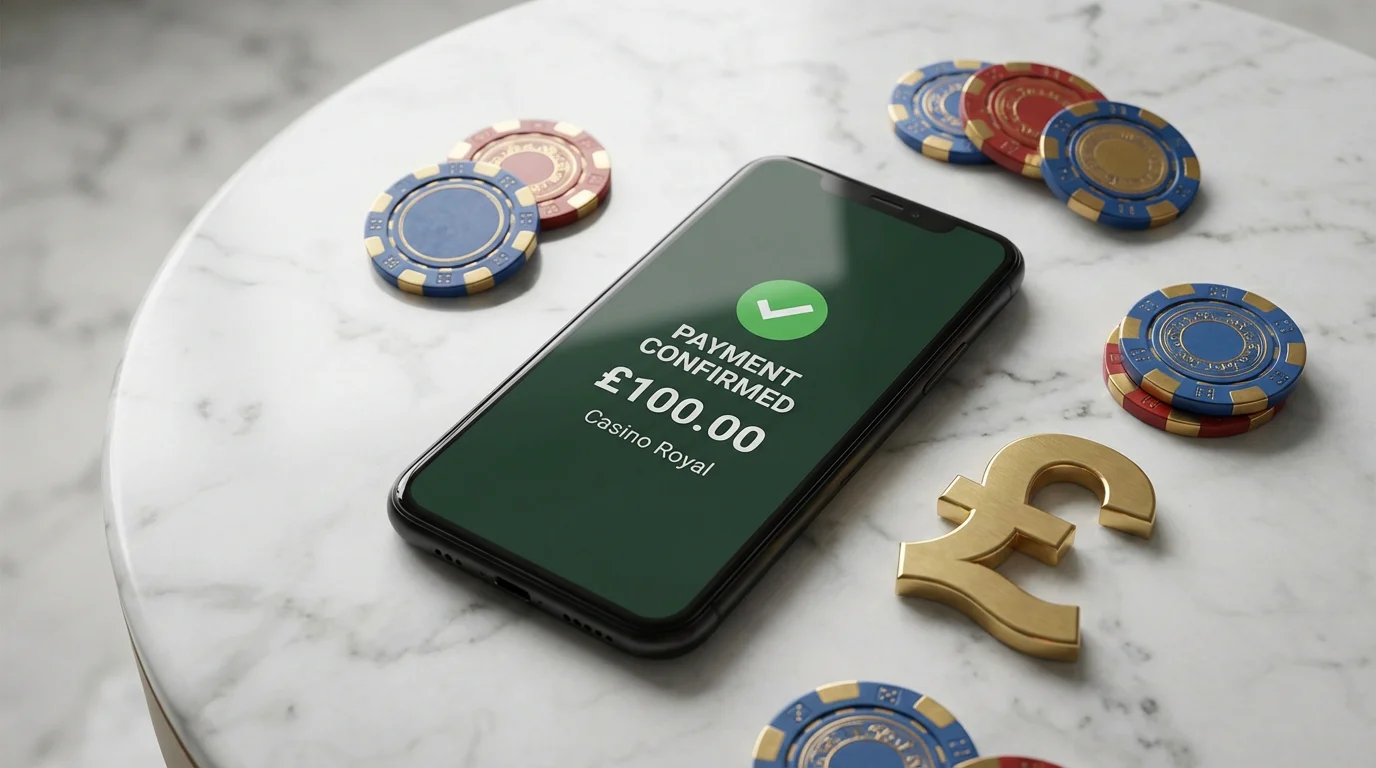
Money Moves: Deposits and Withdrawals on Casino Apps
Depositing into a casino app is engineered to be frictionless. A few taps, instant confirmation, and you’re playing. Withdrawing reveals a different reality—one where processing times stretch, verification requirements emerge, and the smooth experience of getting money in contrasts sharply with the complexity of getting money out. Understanding this asymmetry helps set realistic expectations and guides better payment decisions.
The UK payment landscape offers more options than most markets. Debit cards, e-wallets, bank transfers, and mobile carrier billing all function at various casinos, each with distinct characteristics affecting speed, limits, and convenience. Choosing the right method for your situation—rather than defaulting to whatever appears first—makes a meaningful difference to your overall experience.
Regulations shape what’s possible. UK law prohibits credit card gambling, eliminating an option available in other jurisdictions. UKGC licensing requirements mandate certain deposit protections and withdrawal processes. These rules exist for player protection, but they also create administrative steps that affect how quickly money moves. The operators implementing these requirements well distinguish themselves from those who treat compliance as an obstacle to player satisfaction.
What follows covers every major payment method available at UK casino apps, with practical guidance on what to expect, how to troubleshoot common issues, and how to structure your approach for minimum frustration. The goal isn’t to make payments exciting—they shouldn’t be—but to make them predictable and efficient.
UK Casino Payment Methods Overview
UK players typically encounter four main payment categories at casino apps, with several options within each category. Availability varies by operator—not every casino supports every method—but the major options appear consistently across most licensed platforms.
Debit cards remain the default for most players. Visa and Mastercard function at virtually every UK casino, using the same cards you’d use for any other online purchase. Processing is familiar, limits are generally high, and the method requires no additional account setup. The trade-off appears at withdrawal, where card payments take longer to process than alternatives.
E-wallets like PayPal, Skrill, and Neteller offer significantly faster withdrawals for players willing to maintain an additional account. These services act as intermediaries between your bank and the casino, holding funds in a dedicated balance. Deposits are instant, withdrawals typically process within hours rather than days, and the separation from your main bank account provides some psychological and practical boundary between gambling funds and everyday finances.
Pay by Mobile services allow deposits charged directly to your mobile phone bill or deducted from prepaid credit. Boku and similar services require no card details or separate accounts—your phone number serves as the payment method. This convenience comes with limitations: deposits only (you can’t withdraw to a phone bill), relatively low transaction limits, and a small fee that some operators absorb while others pass to players.
Bank transfers and open banking solutions provide direct connections between your bank account and the casino. Traditional bank transfers work everywhere but take longer. Open banking services like Trustly accelerate this by connecting directly to your online banking, enabling near-instant transfers without manually entering sort codes and account numbers. These methods suit players moving larger amounts or those uncomfortable with cards or e-wallets.
Debit Card Payments
Your existing Visa or Mastercard debit card works at essentially every UK casino app. The familiarity and universal acceptance make cards the default choice for most players, despite not being optimal for every situation.
Deposits process instantly in nearly all cases. Enter your card details, confirm the amount, complete any 3D Secure verification your bank requires, and the funds appear in your casino balance immediately. Some banks flag gambling transactions and require additional confirmation or temporarily block the payment until you verify it’s legitimate—this reflects your bank’s policies rather than any casino-side issue.
Credit cards are prohibited for UK gambling under regulations introduced in April 2020. The Gambling Commission banned credit card deposits to prevent players from gambling with borrowed money. This applies to all UKGC-licensed operators without exception. If a casino app appears to accept credit cards, that’s either a technical error, a sign the operator isn’t properly licensed, or a misunderstanding about card type. Attempting credit card deposits wastes time and may trigger account review. The UKGC operational guidance clarifies that the ban also extends to e-wallets funded by credit cards.
Withdrawals to debit cards take longer than deposits—typically 1-5 business days depending on the operator and your bank’s processing speed. The casino releases funds on their end within their stated processing time, but the money then moves through card network systems before appearing in your account. This asymmetry between instant deposits and multi-day withdrawals frustrates many players but reflects the underlying payment infrastructure rather than deliberate operator delay.
Some casinos require you to withdraw to the same card used for deposits, at least up to the deposited amount. This “closed loop” policy prevents money laundering by ensuring funds return to their source. If you’ve deposited £200 via card, your first £200 in withdrawals must return to that card before alternative methods become available for additional winnings.
E-Wallets: PayPal, Skrill, Neteller
E-wallets occupy the sweet spot between convenience and speed for regular casino players. The initial setup requires creating and verifying an account with the e-wallet provider, but this one-time effort pays dividends through faster transactions and separation between gambling activity and your main bank account.
PayPal holds the largest user base among UK casino payment options. Most players already have PayPal accounts from other online activity, eliminating setup friction. Deposits are instant, withdrawals typically complete within 24 hours, and the PayPal interface handles all transaction details without exposing your underlying bank or card information to the casino. Fewer casinos accept PayPal compared to gambling-focused e-wallets, but coverage among major UK operators is good.
Skrill and Neteller cater specifically to the gambling market. Both services have built their businesses around gaming transactions, which means broader acceptance at casinos but also some limitations elsewhere. Withdrawals are often even faster than PayPal—frequently under 12 hours at efficient operators. Both services offer prepaid cards that allow spending e-wallet balances directly, useful for players who want to access winnings without transferring to a bank account.
The critical consideration with e-wallets is bonus eligibility. Many casinos exclude e-wallet deposits from welcome bonus qualification. The terms might state that deposits via Skrill or Neteller don’t trigger the signup offer, or that wagering requirements increase for e-wallet depositors. This exclusion reflects operator economics—e-wallet transaction fees are higher than card fees, and bonus-hunting players historically favoured these methods. Always verify bonus terms before depositing if you’re claiming a promotional offer.
E-wallet verification requirements have increased significantly. Both Skrill and Neteller now require identity verification similar to what casinos themselves demand. This process takes time and may feel redundant if you’ve already verified at the casino, but it’s mandatory for meaningful transaction volumes. Complete verification when you create the account rather than waiting until you need to withdraw.
Pay by Mobile
Pay by Mobile services let you deposit using only your phone number, with charges appearing on your mobile phone bill or deducting from prepaid credit. The simplicity appeals to players who prefer not to enter financial details or don’t have access to other payment methods. Boku dominates this category, though Payforit and direct carrier billing also appear at various operators.
The deposit process requires minimal information. Select Pay by Mobile as your payment method, enter your phone number, and confirm the transaction via SMS verification code. The deposit amount adds to your next phone bill if you’re on a contract, or deducts immediately from prepaid balance. No card numbers, no bank details, no e-wallet accounts—just your mobile number.
Transaction limits constrain Pay by Mobile usefulness for serious players. Most services cap individual deposits at £30-40, with daily limits around £100-150. These restrictions exist because phone billing wasn’t designed for large financial transactions and carriers limit their exposure to potential fraud or non-payment. For casual players making small deposits, the limits pose no problem. For players moving larger amounts, alternative methods are necessary.
Withdrawals cannot return to a phone bill—this is a fundamental limitation, not an operator choice. You’ll need to withdraw via an alternative method regardless of how you deposited. This creates a requirement to have at least one other payment method on file, typically a bank account or e-wallet, even if you prefer mobile deposits for convenience.
Some operators charge fees for Pay by Mobile deposits, typically around 15% of the transaction amount. Others absorb this cost as a customer service gesture. Check the terms before depositing, as a 15% fee on a £30 deposit represents significant value lost before you’ve placed a single bet. Where fees apply, other deposit methods offer better value.
Bank Transfers and Open Banking
Direct bank transfers bypass intermediaries entirely, moving money straight between your bank account and the casino. Traditional transfers work everywhere but require manually entering bank details and waiting for standard banking system processing. Open banking solutions like Trustly modernise this approach by connecting directly to your online banking for near-instant transfers.
Traditional bank transfers suit specific situations. High-value deposits that exceed card limits, players without cards or e-wallets, and those who simply prefer direct banking all find bank transfers useful. The process involves selecting bank transfer at the casino, receiving the operator’s account details, and initiating a transfer from your bank. Processing typically takes 1-3 business days for deposits, similarly for withdrawals.
Open banking services have transformed this category. Trustly and similar providers connect to your existing online banking, allowing you to authorise payments directly without entering account numbers manually. Select the service, choose your bank from a list, log in to your online banking through the secure redirect, and approve the transaction. Money moves within minutes in many cases, combining the directness of bank transfers with speed approaching e-wallets.
These methods work well for larger transactions where card limits become problematic. Moving £1,000 or more often requires special arrangements with card payments, while bank transfers handle these amounts routinely. Players who maintain strict separation between gambling funds and daily spending sometimes prefer dedicated accounts used exclusively for casino transactions—bank transfers facilitate this organisation.
The main disadvantage is the additional friction compared to saved card payments or linked e-wallets. Each open banking transaction requires logging into your bank and approving specifically, whereas card payments simply process with saved details. For frequent small transactions, this becomes tedious. For occasional larger movements, the security of active approval outweighs the minor inconvenience.
Best casino sites in the UK
- BeOnBetBonus: 100% up to €500 + 100 FS · Payout speed: 1-3 business days
- NightLuckBonus: Welcome Pack + 805% Up To 6400€ + 280 FS · Payout speed: 1-3 business days
- AmunbetBonus: Join now and get 450% up to 2,700 GBP + 450 FS · Payout speed: 1-3 business days
- JetsetspinsBonus: 200% Bonus + 100 Free Spins + Free Royal Wheel · Payout speed: 1-3 business days
- x3betBonus: Welcome Pack 100% Up to £1.000 + 200 Free Spins · Payout speed: 1-3 business days
- SpinFormulaBonus: 550% Up To £15,000 + 550 FS · Payout speed: 1-3 business days
- EvoSpinBonus: 125% up to €2500 + 125 Free Spins · Payout speed: 1-3 business days
- ChanzeBonus: Slots Welcome Bonus #1 200% up to €500 · Payout speed: 1-3 business days
- SlotoSportBonus: 500% up to £ 10 200+ 777 FS · Payout speed: 1-3 business days
- Revery PlayBonus: 100% up to€1,000+ 100 FS · Payout speed: 1-3 business days
Making a Deposit: Step by Step
The deposit process follows similar patterns across casino apps, with minor interface variations. Understanding the standard flow helps you navigate any operator’s system efficiently and avoid common mistakes that delay or complicate transactions.
Access the deposit function through the app’s cashier, banking, or wallet section—terminology varies but the function is consistent. Most apps also display deposit buttons prominently on the main screen and within game interfaces. Tap through to reach the payment selection screen.
Choose your payment method from available options. The list reflects what that specific operator supports and may be filtered based on your location or account status. Methods you’ve used previously typically appear at the top for convenience. If selecting a method for the first time, you’ll need to enter the relevant details during the transaction.
Enter the deposit amount, respecting any minimum and maximum limits displayed. Minimum deposits typically range from £5 to £20; maximums vary by method and may require verification for higher amounts. Some apps offer preset amount buttons for common values alongside the option to enter custom amounts.
If claiming a bonus, verify that it’s attached to your deposit before confirming. Some operators apply bonuses automatically; others require selecting from available offers or entering promotional codes. Getting this wrong is difficult to fix after the deposit processes—support can sometimes help, but prevention is easier than correction.
Complete any authentication your payment method requires. Card payments may trigger 3D Secure verification through your bank. E-wallet payments redirect to the provider for approval. Open banking requires logging into your bank and confirming. These security steps protect against unauthorised use of your payment methods.
Confirmation appears once the deposit completes successfully. Your casino balance updates immediately for most methods. Keep confirmation receipts or screenshots for your records—useful if any dispute arises or if you need to track your gambling expenditure for budgeting purposes.
Withdrawals: The Complete Picture
Withdrawals reveal an operator’s true character. Any casino can make deposits smooth—they’re receiving money. The withdrawal process, where operators return money to players, exposes whether convenience genuinely extends to the entire customer experience or applies only when it benefits the house.
The standard withdrawal flow begins in the same cashier section used for deposits. Select withdrawal, choose your method from available options, enter the amount, and confirm. Most operators limit withdrawal methods to those previously used for deposits, at least until deposited amounts return to their original sources. This “closed loop” policy frustrates players who deposited by card but want faster e-wallet withdrawals, but it reflects anti-money laundering requirements rather than operator preference.
Pending periods delay withdrawal processing at many casinos. A “pending” or “processing” window of 24-72 hours gives the operator time to review transactions before releasing funds. Some operators allow cancellation during this window—convenient if you change your mind but also a psychological trap that encourages reversing withdrawals and continuing to play. The best operators minimise or eliminate pending periods for verified accounts, processing withdrawals immediately upon request.
Verification requirements trigger most commonly at first withdrawal. Even if you’ve deposited and played without issues, requesting a payout may initiate identity verification demands. Documents required typically include photo ID, proof of address, and sometimes proof of payment method ownership. Delays at this stage frustrate players who didn’t anticipate verification, which is why completing this process proactively—before your first withdrawal—represents sensible practice.
Larger withdrawals may trigger enhanced due diligence regardless of prior verification status. Winning a substantial jackpot or requesting withdrawals significantly above your normal activity level can prompt additional review. This reflects regulatory requirements around source of funds and anti-money laundering, not operator reluctance to pay. Providing requested documentation promptly expedites these reviews.
Withdrawal Speed by Method
Payment method choice determines withdrawal timing more than any other factor. The same casino might deliver e-wallet withdrawals in hours while card withdrawals take days—not because of different treatment, but because the underlying payment systems process at different speeds.
E-wallets offer the fastest withdrawals by a significant margin. PayPal, Skrill, and Neteller transactions typically complete within 24 hours of the casino processing the request, with many arriving in under 12 hours. The fastest operators achieve same-day e-wallet payouts even for requests made in the evening. This speed makes e-wallets the clear choice for players who prioritise quick access to winnings.
Debit card withdrawals take 1-5 business days after the casino releases funds. The variability reflects your bank’s processing speed rather than the casino’s. Visa cards generally process faster than Mastercard for withdrawals, though individual bank practices matter more than card network generalities. Weekends and bank holidays extend these timeframes since card networks don’t process during non-business periods.
Bank transfers fall somewhere between cards and e-wallets, with typical processing of 1-3 business days. Open banking services accelerate this toward the faster end. Traditional manual bank transfers trend toward the slower end. The convenience of direct banking comes with timing that doesn’t match e-wallet speeds.
Processing times quoted by casinos typically state their own handling window—how long before they release funds—rather than total time to receipt. A casino claiming “24-hour processing” releases funds within that window, but card network and bank processing then adds additional days before money reaches your account. Read processing time claims carefully to understand what’s actually being promised.
Weekend and holiday timing affects all methods except e-wallets, which process continuously. Requesting a card withdrawal Friday evening means no banking system processing until Monday at earliest, potentially extending receipt to mid-week. E-wallet withdrawals requested at the same time might arrive Saturday morning. For time-sensitive access to funds, e-wallets provide meaningful advantages.
KYC and Payment Verification
Know Your Customer requirements aren’t optional extras—they’re legal obligations every UK casino must fulfil. UKGC licence conditions mandate identity verification, and operators face serious consequences for non-compliance. Understanding what’s required and why helps you complete verification efficiently and avoid delays when you want to withdraw.
Standard KYC documentation includes proof of identity and proof of address. Identity verification typically accepts passports, driving licences, or national identity cards. Address verification requires a recent utility bill, bank statement, or official correspondence showing your name and current address dated within the last three months. Some operators use electronic verification that checks databases automatically; others require document uploads; many use a combination.
Photo quality matters more than most players realise. Blurry images, cropped corners, glare obscuring text, or photos of screens rather than direct document scans all cause rejection requiring resubmission. Take clear photos in good lighting, ensure all four corners are visible, and verify text is legible before submitting. A few extra seconds producing quality images saves days of back-and-forth with verification teams.
Payment method verification may be required separately from identity verification. If you deposit via debit card, the operator might request a photo of the card showing your name, the last four digits, and expiry date—with the middle digits obscured for security. E-wallet verification typically involves confirming the registered email address matches your casino account. These steps confirm you’re authorised to use the payment methods on file.
Source of funds enquiries occur for larger transactions or unusual activity patterns. Operators may request documentation showing where your gambling funds originate—payslips, bank statements showing income, or similar evidence. This requirement stems from anti-money laundering regulations rather than casino curiosity. Providing clear documentation promptly satisfies these requests; resistance or delay extends hold periods on your funds.
The strategic approach is to complete verification proactively during account setup or after your first deposit, before you have any winnings to withdraw. Verification processed without time pressure proceeds smoothly. Verification triggered by a pending withdrawal creates stress, extends waiting time for your money, and may require prioritising document gathering when you’d rather be celebrating a win.
Limits and Fees
Transaction limits and fee structures vary considerably between operators and payment methods. Understanding these parameters prevents surprises and helps you select methods appropriate for your transaction sizes.
Minimum deposits typically range from £5 to £20, with £10 being most common. Lower minimums suit casual players testing apps or managing small entertainment budgets. Pay by Mobile often has the lowest minimums, while bank transfers may require higher amounts to justify processing overhead. Some bonus offers impose higher minimum deposits for eligibility—verify these thresholds before depositing if you’re claiming a promotion.
Maximum deposits depend on payment method, verification status, and sometimes VIP level. Card deposits commonly cap at £5,000-10,000 per transaction for standard accounts, with higher limits available for verified high-volume players. E-wallets impose their own limits in addition to casino limits—your Skrill account maximum may be lower than what the casino accepts. Bank transfers typically accommodate the highest amounts for players who’ve completed enhanced verification.
Withdrawal limits work similarly but with more variation. Daily, weekly, and monthly withdrawal caps apply at many casinos. A £5,000 daily limit means winning £20,000 requires four separate withdrawals over four days minimum. Progressive jackpot wins may be paid differently, sometimes in instalments for very large amounts. VIP programmes often include enhanced withdrawal limits as a tier benefit, processing larger amounts more quickly for frequent players.
Fees have largely disappeared for most payment methods at competitive operators. Deposit fees are rare—casinos want to encourage deposits, not penalise them. Withdrawal fees occasionally apply, particularly for less common payment methods or for multiple withdrawals within short periods. Pay by Mobile deposits sometimes carry fees around 15%. Always check the cashier section for any noted fees before confirming transactions.
Currency conversion fees apply if you’re playing in a different currency than your payment method holds. Playing in GBP at UK casinos with UK payment methods avoids this entirely. Players with foreign-denominated cards or e-wallet balances should verify conversion rates and fees, which can add several percent to effective transaction costs.
Solving Payment Problems
Payment issues occur despite best practices. Knowing how to diagnose and resolve common problems prevents extended frustration and helps you escalate appropriately when self-service solutions fail.
Declined deposits usually originate with your bank or payment provider rather than the casino. Many banks flag gambling transactions and require confirmation before processing. Contact your bank if deposits fail repeatedly—they may have blocked gambling merchants or require you to authorise the category. Some players maintain dedicated accounts or cards for gambling specifically to avoid this friction with their primary banking.
Stuck withdrawals require identifying where the delay occurs. Check your casino account for withdrawal status—pending means the casino hasn’t yet processed it; processing means they’ve released it into the payment system; completed means it’s left their systems entirely. If status shows completed but funds haven’t arrived, the delay is in the payment network or your bank. If stuck in pending or processing, contact casino support to understand what’s needed.
Verification delays extend withdrawal processing until resolved. If your withdrawal triggered a verification request, no amount of waiting solves the problem—you need to provide the requested documents. Check your email including spam folders for verification requests. Access your account’s document upload section to see what’s needed. Respond promptly with clear documentation to minimise delays.
Support escalation becomes appropriate when reasonable timeframes pass without resolution. Contact live chat first—it’s fastest for simple issues. If chat can’t resolve the problem, request escalation to a supervisor or complaints team. Document interactions including dates, representative names if provided, and what was said. For serious unresolved issues, UKGC-licensed casinos must provide access to Alternative Dispute Resolution services—information about these services appears in the casino’s terms or can be requested from support.
Prevention beats resolution. Complete verification early, use reliable payment methods, stay within normal activity patterns, and maintain records of transactions. Most payment problems affect players who skip these steps, encounter verification requirements unexpectedly, or use problematic payment methods. Structured approach upfront minimises issues later.
Payment Strategy for Players
Thoughtful payment setup saves frustration and improves your overall casino experience. A few strategic decisions made early pay dividends throughout your time with any operator.
Complete verification immediately after creating your account. Upload documents during registration or within your first session, before you’ve won anything. This removes verification from the withdrawal critical path entirely. When you do win and want to withdraw, the process flows smoothly because administrative requirements are already satisfied.
Set up an e-wallet if withdrawal speed matters to you. PayPal works for casual players who already have accounts. Skrill or Neteller suit more dedicated players willing to maintain gambling-specific payment services. The time invested in account creation and verification returns through faster access to winnings for every future withdrawal. The separation from your main bank account also supports responsible budgeting.
Check bonus terms before selecting deposit methods. If you’re claiming a welcome offer, verify your intended payment method qualifies for the full bonus. E-wallet exclusions are common enough that depositing via Skrill without checking terms may forfeit promotional value you expected. A quick terms review before depositing prevents this easily-avoided mistake.
Match your deposit method to your withdrawal expectations. Depositing via card when you want fast e-wallet withdrawals creates friction—closed loop policies may require returning deposited amounts to the card first. If you anticipate wanting rapid withdrawals, deposit via e-wallet from the start. If speed doesn’t matter, card deposits are perfectly fine.
Maintain records of your gambling transactions separate from the casino’s account history. Noting deposit dates, amounts, methods, and subsequent withdrawals helps you track spending accurately, provides documentation if disputes arise, and supports responsible gambling by making your activity visible and countable. The few seconds to record each transaction support better financial awareness.
Expect some friction. Payments at gambling sites involve more verification and processing complexity than standard e-commerce. This reflects regulatory requirements designed to protect both players and the financial system. Approaching payments with realistic expectations—not instant gratification—leads to less frustration when standard processes apply to your transactions.
For payment guides visit realmoneycasinoandroid. Also read about PayPal casino apps.