

Customer Support: When You Need Help
Good support becomes essential at the worst moments. Customer support quality rarely matters during smooth gambling sessions—games work, deposits credit, withdrawals arrive. But when problems emerge, support quality determines whether issues resolve quickly or become prolonged frustrations. The difference between excellent and poor support often only becomes apparent when you actually need it.
Common situations requiring support intervention include withdrawal delays, bonus disputes, verification complications, and technical problems preventing normal play. These situations carry financial implications that make resolution urgency meaningful. Waiting days for support responses while funds remain inaccessible creates stress that immediate resolution would prevent.
Support quality varies dramatically between casino apps despite all operating under the same UKGC regulations. Regulatory requirements mandate that operators provide customer service, but they don’t specify response time targets, channel availability, or resolution competence. The variation means support quality deserves consideration when selecting which apps to use regularly.
Evaluating support before problems arise provides useful information without the stress of actual issues. Testing response times and helpfulness through pre-deposit enquiries reveals what you’d experience during genuine problems. Apps failing simple tests likely fail harder ones too.
Best casino sites in the UK
- BeOnBetBonus: 100% up to €500 + 100 FS · Payout speed: 1-3 business days
- NightLuckBonus: Welcome Pack + 805% Up To 6400€ + 280 FS · Payout speed: 1-3 business days
- AmunbetBonus: Join now and get 450% up to 2,700 GBP + 450 FS · Payout speed: 1-3 business days
- JetsetspinsBonus: 200% Bonus + 100 Free Spins + Free Royal Wheel · Payout speed: 1-3 business days
- x3betBonus: Welcome Pack 100% Up to £1.000 + 200 Free Spins · Payout speed: 1-3 business days
- SpinFormulaBonus: 550% Up To £15,000 + 550 FS · Payout speed: 1-3 business days
- EvoSpinBonus: 125% up to €2500 + 125 Free Spins · Payout speed: 1-3 business days
- ChanzeBonus: Slots Welcome Bonus #1 200% up to €500 · Payout speed: 1-3 business days
- SlotoSportBonus: 500% up to £ 10 200+ 777 FS · Payout speed: 1-3 business days
- Revery PlayBonus: 100% up to€1,000+ 100 FS · Payout speed: 1-3 business days
Support Channels on Casino Apps
How to reach someone when you need to. UK casino apps typically offer multiple support contact methods, each with different characteristics suited to different situations.
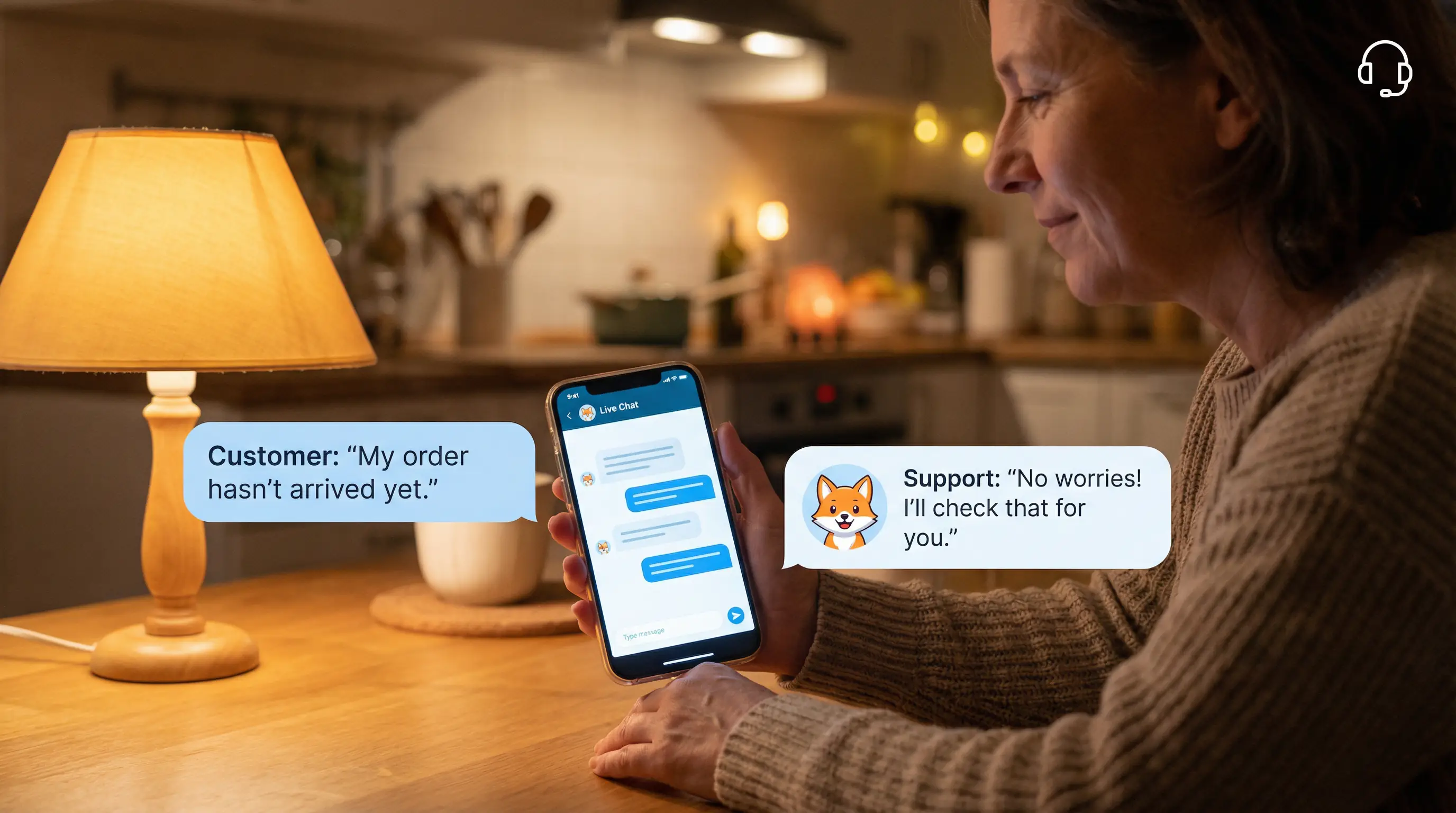
Live chat represents the most common and usually fastest support channel. Available through buttons within the app interface, live chat connects you with support agents in real-time for text-based conversation. Response times typically range from immediate to a few minutes during staffed hours. Chat transcripts provide documentation of conversations, useful for disputes or follow-ups.
The live chat experience varies significantly between operators. Some deploy sophisticated systems that route queries to appropriately skilled agents, maintain conversation history across sessions, and enable seamless escalation. Others use basic implementations where each conversation starts fresh, requiring you to re-explain issues you’ve already described. Testing chat functionality before needing it urgently reveals which experience you’d receive.
Email support suits complex issues requiring detailed explanation or attachment of documents. While slower than live chat—responses may take hours or days—email allows comprehensive problem description without the pressure of real-time conversation. Use email for non-urgent matters or when you need to submit screenshots, documents, or lengthy explanations.
Phone support offers direct verbal communication with support agents. Not all casino apps provide phone numbers, but those that do offer immediate human contact that some players prefer over text-based alternatives. Phone support proves particularly valuable for urgent issues requiring immediate escalation or complex matters benefiting from real-time dialogue.
Callback services represent a middle ground some operators offer. Rather than waiting on hold, you request a callback at a convenient time. This approach suits players who want phone communication without the uncertainty of queue waiting. Callback availability varies by operator and is typically offered to higher-value accounts.
In-app help centres contain FAQs, guides, and troubleshooting articles addressing common issues. These self-service resources can resolve straightforward questions immediately without requiring agent contact. Checking help documentation before contacting support often provides faster answers for standard queries.
Social media channels occasionally supplement official support. Some operators monitor Twitter/X, Facebook, or other platforms for customer complaints, sometimes providing faster responses than official channels. This approach works better for drawing attention to issues than for detailed problem resolution.
Support availability hours affect channel usefulness. Some apps provide 24/7 live chat; others limit chat to business hours. Email nominally operates continuously but actual responses follow business schedules. Understanding when support operates helps set expectations for response timing and choose appropriate contact methods for your schedule.
Language support considerations matter for some players. While all UK-licensed casino apps offer English support, quality and comprehension levels vary. Apps operated by international companies sometimes staff support teams from various locations, producing variable English fluency. This rarely prevents problem resolution but can complicate complex discussions.
Casino Apps with Best Support
These apps answer when you call. Support quality correlates somewhat with operator size and establishment, though exceptions exist in both directions. Major bookmaker-casino brands typically invest more in support infrastructure than smaller pure-play casinos.
The largest UK gambling brands generally provide 24/7 live chat with relatively short wait times. Their support teams handle high volumes, creating experience-driven efficiency in resolving common issues. The scale that enables constant availability also sometimes creates impersonal interactions, but functional support typically outweighs warmth considerations.
Established pure-play casino apps from reputable operators often match larger competitors on support quality. Companies building reputations specifically around casino products understand that support quality affects player retention. Some medium-sized operators deliver excellent support specifically to differentiate from larger, more impersonal alternatives.
Support response time serves as a key quality indicator. Apps where live chat connects within one minute and resolves issues during initial conversation demonstrate operational commitment. Those with extended queues, multiple transfers, or requirements to “email the relevant team” suggest under-resourced support operations.
Resolution authority distinguishes excellent support from adequate support. Agents empowered to make decisions—approving withdrawals, crediting bonuses, resolving disputes—provide better experiences than those who can only document issues for escalation. Testing support with simple requests reveals whether agents can actually help or merely relay messages.
Knowledge consistency matters across multiple interactions. Good support operations train agents thoroughly, producing consistent answers regardless of which agent you reach. Operations with inconsistent training produce contradictory information depending on who responds, creating confusion rather than clarity.
Player feedback sources like forums and review sites accumulate support quality experiences over time. Patterns of praise or complaint about specific operators provide insight beyond individual test interactions. Apps consistently mentioned for poor support probably deliver poor support; those praised likely deserve the recognition.
How to Get Results from Support
Getting help faster. Effective communication and strategic approach improve support interaction outcomes regardless of operator quality.
Clear, concise problem description accelerates understanding. State what happened, when it occurred, what you expected, and what actually resulted. Including relevant details—transaction IDs, screenshots, specific error messages—helps agents understand situations without extended back-and-forth clarification.
Account information readiness speeds verification. Having your username, registered email, and account details available prevents delays while you search for information mid-conversation. Some issues require identity verification before agents can discuss account specifics.
Document everything during support interactions. Screenshot live chat conversations, save email threads, note agent names and reference numbers provided. This documentation proves invaluable if disputes escalate or if you need to reference previous conversations in follow-ups.
Remain polite but persistent. Agents respond better to courteous communication than to hostility, even when frustration feels justified. Politeness doesn’t mean accepting inadequate responses—persistent pursuit of resolution while maintaining respectful tone produces better outcomes than aggressive demands that alienate the people positioned to help you.
Ask for escalation when frontline support cannot resolve issues. Supervisors and managers often hold authority that standard agents lack. Requesting escalation isn’t rude; it’s appropriate when initial support cannot adequately address legitimate concerns. Clear, documented issues that frontline support cannot resolve deserve management attention.
Follow up if promised actions don’t occur. If an agent commits to specific timelines or actions, monitor for completion and reconnect if commitments aren’t met. Reference previous conversations and documented promises when following up. Consistent follow-through on your part encourages follow-through on theirs.
Common Issues Support Can Solve
What support actually handles. Understanding support capabilities helps determine when contacting them makes sense versus attempting self-resolution.
Verification issues represent frequent support matters. Document rejection, unclear requirements, or extended verification delays all warrant support contact. Agents can often identify specific document problems, suggest alternatives, or escalate accounts stuck in verification queues.
Withdrawal delays beyond stated processing times deserve enquiry. Support can investigate specific withdrawal status, identify any holds or requirements blocking processing, and sometimes expedite pending withdrawals. Knowing why withdrawals are delayed—even if the reason is simply queue position—reduces uncertainty.
Bonus disputes including terms interpretation, crediting failures, or unexpected forfeiture require support resolution. Agents can review bonus histories, explain what occurred, and sometimes restore incorrectly forfeited bonuses. Clear documentation of your understanding of terms strengthens dispute positions.
Technical problems preventing game access, payment processing, or app functionality need reporting to support. Some issues require server-side fixes that only operators can implement. Reporting technical problems also alerts operators to issues affecting multiple players.
Account security concerns including suspected unauthorised access demand immediate support contact. Operators can freeze accounts, investigate access logs, and implement additional security measures. Security-related support requests typically receive priority handling.
Responsible gambling tool adjustments sometimes require support involvement. While most limits can be self-managed, certain changes—particularly limit increases or exclusion removals—may require support processing with appropriate cooling periods.
When Support Doesn’t Help
Escalation options when stuck. When casino support fails to adequately resolve legitimate issues, external escalation paths exist for UK players.
UKGC complaints represent the regulatory escalation route. The Gambling Commission receives complaints about licensed operators and can investigate regulatory violations. File complaints through the UKGC website, providing documentation of your issue and attempts at resolution through the operator. The Commission doesn’t resolve individual disputes but investigates patterns and compliance failures.
Alternative Dispute Resolution (ADR) services provide independent mediation for unresolved complaints. UKGC-licensed operators must participate in approved ADR schemes. Check the casino’s terms or website for their designated ADR provider. These services review disputes independently and issue decisions that operators typically honour.
ADR eligibility typically requires demonstrating that you’ve attempted resolution through the operator’s internal complaints process first. Document your complaint history before escalating to ADR. Most schemes won’t accept complaints until internal processes have been exhausted.
Social media escalation occasionally produces results when official channels fail. Public complaints on Twitter/X or Facebook create reputation pressure that private support interactions don’t. Operators sometimes prioritise public complaints to limit visibility of unresolved issues. Use this approach judiciously—it works for legitimate grievances but damages your credibility if used for unreasonable demands.
Ultimately, problematic operators may not resolve issues regardless of escalation. If an operator consistently fails to provide acceptable service, the practical solution may be withdrawing remaining funds and choosing better alternatives. The UK market offers sufficient options that tolerating poor treatment from any single operator isn’t necessary.
Get help choosing a casino app at realmoneycasinoandroid. Also check our casino app security features.