

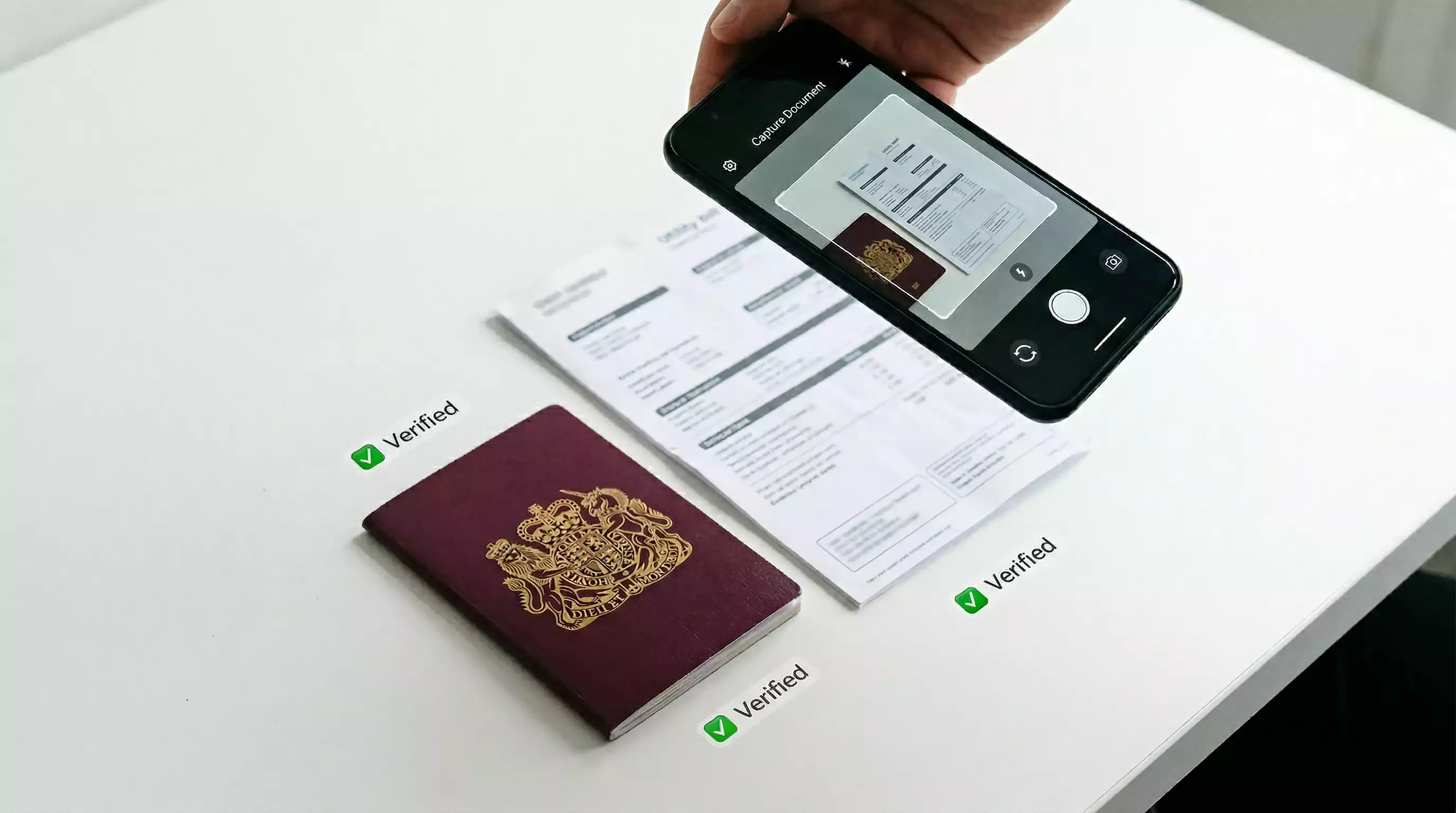
KYC Verification: What It Is and Why It Matters
Every casino app will eventually ask you to prove you are who you say you are. This process—Know Your Customer, or KYC—sits at the intersection of regulation and reality, and understanding it saves you from the single most common source of withdrawal delays.
Verification isn’t optional. It’s law. The UK Gambling Commission requires all licensed operators to verify customer identity before allowing gambling. Under Licence Condition 17, licensees must obtain and verify information including the customer’s name, address and date of birth before permitting that customer to gamble. Whether you’re depositing your first tenner or withdrawing your thousandth pound, verification requirements will find you eventually.
The process itself is straightforward in theory: submit documents proving your identity and address, wait for the casino to check them, then proceed with your gambling and withdrawals unimpeded. In practice, the experience ranges from seamlessly automated approvals within minutes to frustrating back-and-forth exchanges spanning days. The difference often comes down to preparation and understanding what casinos actually need.
Players who complete verification early—before their first withdrawal request—rarely think about it again. Those who wait until they’ve won something significant discover that excitement and bureaucracy make uncomfortable companions. The smart approach treats KYC as an administrative task to complete early rather than an obstacle to overcome later.
This guide covers everything you need to know: why verification exists, what documents you’ll need, how the process typically unfolds, and how to avoid the common pitfalls that slow things down.
Best casino sites in the UK
- BeOnBetBonus: 100% up to €500 + 100 FS · Payout speed: 1-3 business days
- NightLuckBonus: Welcome Pack + 805% Up To 6400€ + 280 FS · Payout speed: 1-3 business days
- AmunbetBonus: Join now and get 450% up to 2,700 GBP + 450 FS · Payout speed: 1-3 business days
- JetsetspinsBonus: 200% Bonus + 100 Free Spins + Free Royal Wheel · Payout speed: 1-3 business days
- x3betBonus: Welcome Pack 100% Up to £1.000 + 200 Free Spins · Payout speed: 1-3 business days
- SpinFormulaBonus: 550% Up To £15,000 + 550 FS · Payout speed: 1-3 business days
- EvoSpinBonus: 125% up to €2500 + 125 Free Spins · Payout speed: 1-3 business days
- ChanzeBonus: Slots Welcome Bonus #1 200% up to €500 · Payout speed: 1-3 business days
- SlotoSportBonus: 500% up to £ 10 200+ 777 FS · Payout speed: 1-3 business days
- Revery PlayBonus: 100% up to€1,000+ 100 FS · Payout speed: 1-3 business days
Why Casinos Require KYC
The reasons behind KYC requirements extend far beyond bureaucratic box-ticking. Three distinct regulatory frameworks converge to make identity verification mandatory, and understanding them helps explain why the process can be quite thorough.
Anti-money laundering legislation forms the first pillar. The Proceeds of Crime Act 2002 and Money Laundering Regulations 2017 require gambling operators to verify customer identity and monitor for suspicious activity. Casinos must demonstrate they know who is using their platform and can trace the source of funds when necessary. This isn’t paranoia—the gambling sector has historically attracted attempts to legitimise criminal proceeds, and regulators take these obligations seriously.
Age verification represents the second pillar. UK gambling is strictly limited to those 18 and over, and operators face severe penalties for allowing underage play. The Gambling Commission can revoke licences, and operators have paid multi-million-pound fines for verification failures. Document checks provide the most reliable age confirmation, supplementing the electronic verification methods used at registration.
Responsible gambling duties create the third pillar. Operators must identify customers who may be experiencing gambling harm, and accurate identity information enables this monitoring. Enhanced due diligence requirements kick in at certain spending thresholds, requiring operators to understand the source of customer funds and whether their gambling appears sustainable relative to their circumstances.
These requirements aren’t unique to gambling—financial services, estate agents, and other sectors face similar obligations. The difference is that gambling operators face particularly robust enforcement. The Gambling Commission actively reviews operator compliance, and the reputational and financial consequences of failures encourage thorough verification processes.
For players, this means verification requests aren’t arbitrary obstacles or money-grabbing tactics. They’re legal requirements that operators must fulfil to maintain their licences. The alternative—unregulated casinos without verification requirements—offers none of the player protections that licensed operators provide.
Documents You’ll Need
Casino KYC requirements fall into three categories, and most players will eventually need to satisfy all three. Having these documents ready before you start playing eliminates delays when verification requests arrive.
Proof of identity confirms who you are. Operators accept passports, driving licences, and national identity cards. The document must be current—expired documents are rejected without exception. Passports generally process fastest because their format is standardised internationally. UK driving licences work well but occasionally require both photocard and paper counterpart for older formats. European national ID cards are accepted from relevant countries, though processing may take slightly longer as staff verify unfamiliar formats.
Proof of address confirms where you live. Utility bills, bank statements, council tax bills, and official government correspondence qualify. The critical requirements: the document must be dated within the last three months and show your full name matching your identity document alongside your current address. Mobile phone bills typically don’t qualify because they’re too easily generated. Statements must be official versions, not screenshots of online banking—most banks offer downloadable PDF statements that satisfy requirements.
Proof of payment confirms you control the payment methods used. For debit cards, operators typically request photos showing the first six and last four digits with the middle numbers obscured. E-wallet verification might require screenshot confirmation of account ownership. Bank transfer verification often overlaps with address verification if your bank statement shows recent deposits to the casino.
Enhanced due diligence introduces additional requirements at higher spending levels. Operators may request proof of income through payslips, tax returns, or employment contracts. Self-employed players might submit business accounts or accountant letters. Inherited wealth could require probate documentation. Investment income might need portfolio statements. These requests feel intrusive but protect both parties—the operator from regulatory sanctions and the player from gambling beyond sustainable means.
Some casinos now offer electronic verification that skips document submission entirely. These systems check your identity against credit reference databases and electoral rolls in real-time. When electronic verification succeeds, you might never submit a document. When it fails—perhaps because you recently moved or your name appears differently across databases—traditional document verification becomes the fallback.
One practical consideration: ensure your name appears consistently across all documents. Formal name versus nickname discrepancies cause delays. If your passport shows “William” but your utility bill shows “Bill,” prepare for questions. Similarly, maiden names versus married names or middle name inclusions create mismatches that slow processing.
The Verification Process
The verification journey typically begins with a notification. You’ll receive an email, in-app message, or both requesting document submission. Some operators trigger verification at registration, others at first deposit, and many wait until first withdrawal. Higher-spending players face more frequent checks as enhanced due diligence thresholds are crossed.
Document submission happens through your account settings or a dedicated verification portal. Most casino apps include direct camera access for capturing documents—useful for passport photos but sometimes producing suboptimal results with utility bills. Uploading existing files, whether scanned documents or clear photographs, often yields better quality. Accepted formats typically include JPEG, PNG, and PDF, with file size limits around 5-10MB per document.
After submission, the waiting game begins. Verification timelines vary enormously. Automated systems using optical character recognition and database matching can approve straightforward cases within minutes. Manual reviews by compliance teams take longer—typically 24-72 hours, though complex cases or high volumes can extend this. Some operators commit to specific timeframes in their terms; others offer vaguer “as soon as possible” promises.
During review, your account might face restrictions. Pending verification commonly blocks withdrawals while allowing continued play—a situation that frustrates players sitting on winnings. Some operators also limit deposits or stakes until verification completes. These restrictions protect both parties but feel punitive when you’ve done nothing wrong.
Approval notifications arrive by email and unlock full account functionality. Your verified status typically persists unless circumstances change—you move house, your documents expire, or enhanced due diligence thresholds require fresh checks. Most players verify once and rarely think about it again.
Rejection notifications explain why documents failed review and request resubmission. Common reasons include image quality issues, expired documents, name mismatches, or documents outside the accepted three-month window. The process then repeats with corrected submissions. Multiple rejections might prompt a phone call from the compliance team to resolve persistent issues directly.
Throughout this process, customer support provides your primary contact point. Live chat agents can check verification status, explain rejection reasons in more detail than automated messages, and sometimes escalate urgent cases. Keep communication records—polite persistence often accelerates resolution when standard timelines slip.
Speeding Up Verification
The single most effective strategy for fast verification is completing it before you need to withdraw. Most operators allow—and many actively encourage—voluntary verification at any time. Submit your documents during registration, before you’ve deposited, and verification becomes administrative background noise rather than a barrier between you and your winnings.
Document quality matters more than people realise. A blurry passport photo that’s “probably readable” will fail automated processing and slow everything down. Use good lighting, avoid shadows across document text, ensure all corners are visible, and confirm text is sharply focused before uploading. Five minutes spent getting a proper photograph saves days of resubmission cycles.
Check document validity before uploading. Passports expiring within six months sometimes trigger additional scrutiny. Utility bills must fall within the three-month window at the time of submission, not at the time you first downloaded them. If your latest bill is approaching three months old, wait for the next one rather than risking rejection.
Match names exactly across documents. If your passport includes middle names, ensure your proof of address shows the same format, or be prepared to explain discrepancies. Some players maintain address documents specifically for verification purposes, ensuring consistent name formatting across their utility providers.
Keep digital copies organised and accessible. A dedicated folder containing current passport scan, recent utility bill, and bank statement dated within the last month means verification requests receive immediate response. Update this folder when documents refresh—when a new bill arrives, swap out the old one.
Timing submissions strategically can help. Compliance teams typically work business hours, so documents submitted Friday evening might wait until Monday for review. Submitting Tuesday morning maximises the working days available for processing before the weekend.
Some operators offer expedited verification for VIP players or those requesting larger withdrawals. If this applies to your situation, ask customer support whether priority processing is available. The answer varies by operator policy, but asking costs nothing.
Common Verification Issues
Image quality causes more rejections than any other factor. Glare from camera flash obscuring text, shadows across document corners, blurry text from camera shake, or cropped edges missing security features all trigger rejection. The fix is straightforward: natural lighting, steady hands, full document visibility, and a quick quality check before submitting.
Name mismatches create persistent headaches. Your bank knows you as “Robert Smith,” your passport says “Robert James Smith,” and your utility bill shows “R.J. Smith.” Compliance systems flag these inconsistencies even when common sense suggests they’re the same person. Resolution typically requires additional documentation—perhaps a bank statement showing your full name—or a support call to explain the situation.
Address verification fails when players submit documents showing previous addresses or when recent moves haven’t updated across all records. If you’ve moved within the last three months and can’t produce fresh utility bills, council tax correspondence or official letters from HMRC or DWP often work as alternatives.
Document expiry catches more players than it should. Passports must be valid, not expired “but still accepted for travel for another six months.” Utility bills must be dated within three months—a four-month-old bill fails regardless of how clearly it shows your address.
If verification repeatedly fails despite apparently compliant submissions, escalate beyond automated responses. Request manual review by a compliance supervisor. Ask for specific reasons for rejection rather than generic templates. Some casinos offer video verification calls as an alternative when document processes stall.
When operators genuinely fail to process legitimate verification fairly, the Gambling Commission provides complaint channels. Licensed operators must have ADR (Alternative Dispute Resolution) procedures, and persistent verification issues affecting withdrawals represent legitimate grounds for escalation. Document your submissions and communications—this evidence supports complaints if reasonable verification requests are unreasonably refused.
Stay safe with trusted apps at realmoneycasinoandroid. See also our how to verify UKGC casino licences.